Choosing the Right Bidding Strategy for Success
Understanding Bidding Strategies
In the world of digital marketing, choosing the right bidding strategy can significantly impact your campaign's success. With numerous options available, it’s crucial to select a strategy that aligns with your business goals and budget. This guide will help you navigate the choices and make informed decisions.
Bidding strategies determine how you pay for your ads and the outcomes you aim to achieve. Whether you're looking to maximize clicks, conversions, or impressions, understanding each strategy's nuances is essential.

Types of Bidding Strategies
Manual CPC Bidding
Manual Cost-Per-Click (CPC) bidding gives you complete control over your maximum bid amounts. This strategy is ideal for businesses that want to manage their bids closely and have the expertise to do so. It’s best suited for campaigns with a clear focus on budget control and specific targeting.
Automated Bidding
Automated bidding strategies, such as Target CPA (Cost Per Acquisition) or Target ROAS (Return on Ad Spend), use algorithms to automatically set bids that achieve your specified goal. These strategies are perfect for advertisers who prefer a hands-off approach and want to leverage machine learning to optimize their performance.
Choosing the Right Strategy
Consider Your Campaign Goals
When choosing a bidding strategy, the first step is to clearly define your campaign goals. Are you aiming to increase website traffic, boost sales, or enhance brand awareness? Your goals will significantly influence your choice of strategy.
- For increasing traffic, consider strategies like Maximize Clicks.
- For boosting sales, Target CPA might be more appropriate.
- For brand awareness, focus on strategies that optimize for impressions.
Aligning your strategy with your goals ensures that your advertising spend directly contributes to achieving your desired outcomes.
Budget Considerations
Your budget plays a pivotal role in selecting the right bidding strategy. If you have a limited budget, manual CPC or a strategy focused on cost-efficiency might be more suitable. Conversely, if you have a larger budget, automated strategies can provide greater flexibility and optimization.
It’s important to regularly review your budget and adjust your strategy as needed to ensure you’re receiving the best possible return on your investment.
Monitoring and Adjusting
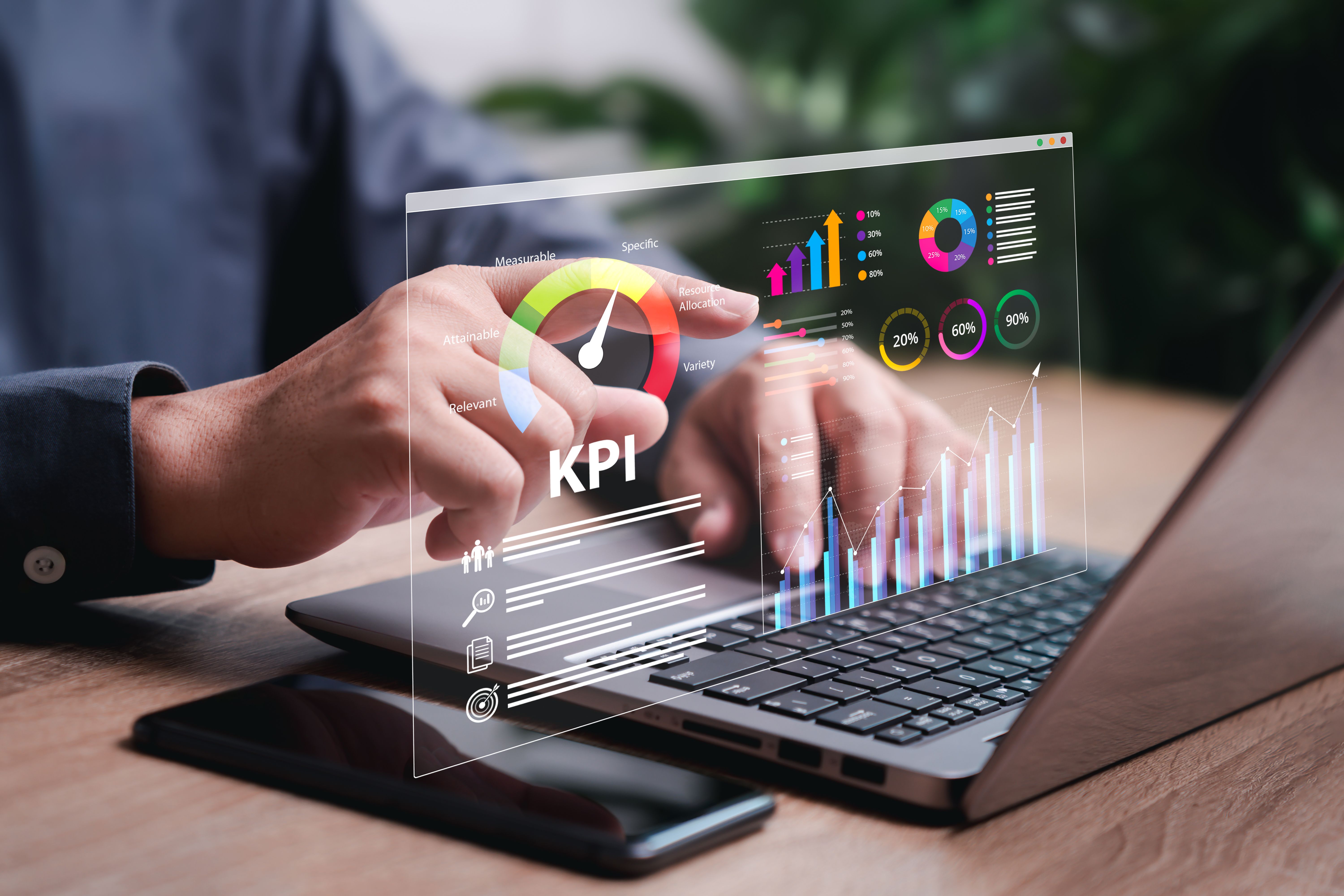
Once you’ve chosen a strategy, continuous monitoring is vital. Track your campaign’s performance and be ready to make adjustments. Analyze key metrics such as conversion rates, click-through rates, and overall ROI. These insights will help you refine your strategy over time.
Remember, digital marketing is not static. Adapting to changes in the market and consumer behavior is key to maintaining a successful campaign.